 Koru–Muhoroni, Kenya
Rooted in community · Growing for tomorrow
A greener future begins with the land beneath us.
We restore landscapes, nurture community livelihoods and inspire a new generation to care for Africa’s natural heritage.
Explore our journey ↘Since 2009Environmental action shaped by people and place
01 — Who we are
Healthy ecosystems.
Secure communities.
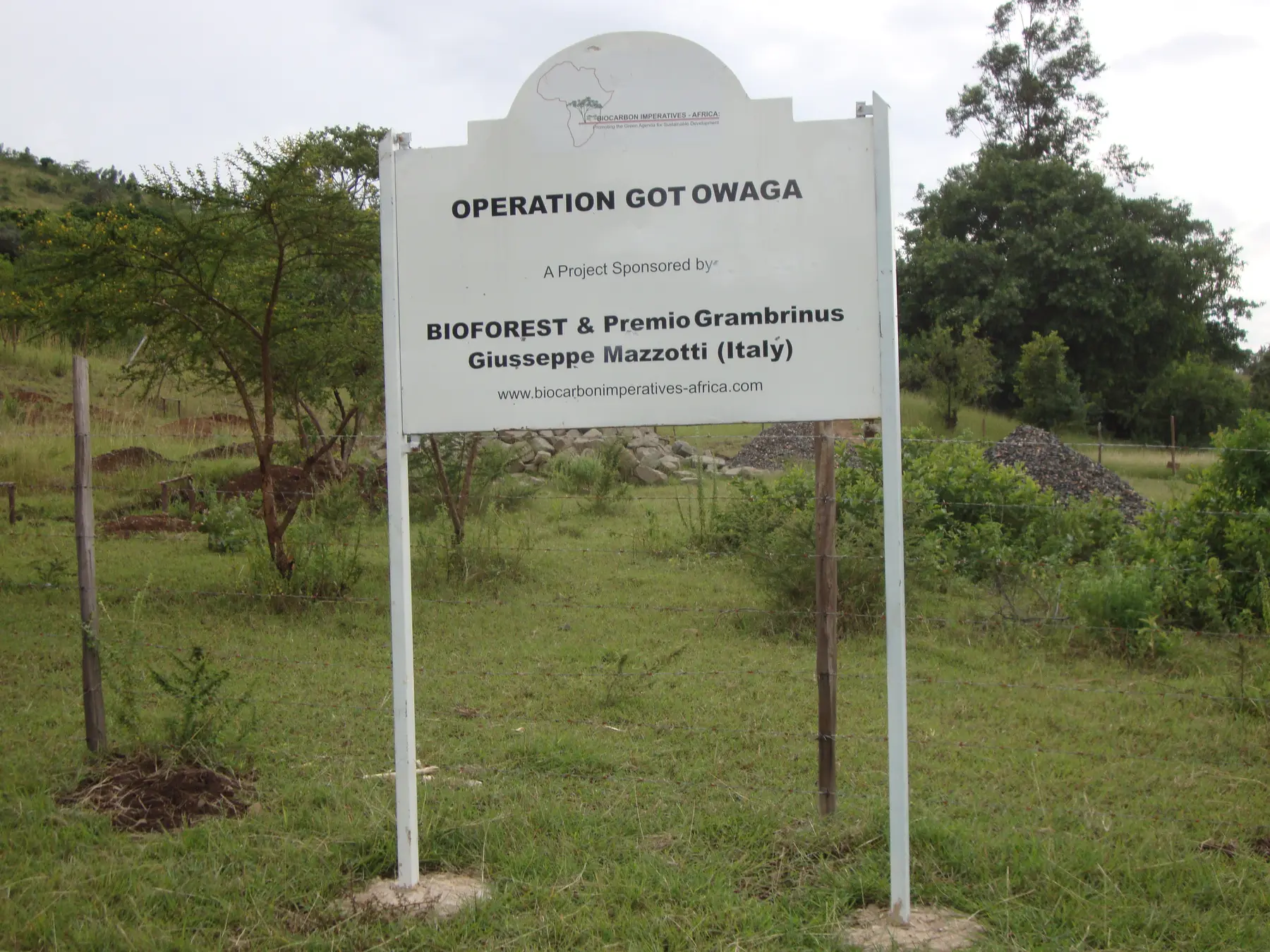
Biocarbon Imperatives-Africa is a Kenyan non-governmental organization working toward a sustainable, healthy and secure future for all. Our work grew from Professor Richard Samson Odingo’s environmental leadership and the support that followed the 2009 Gambrinus Giuseppe Mazzotti Award.
Reduce carbon emissions through reforestation, improve human welfare and advance a green economy.
02 — What we do
Conservation that
works for people.
We work with rural communities, women and young people—alongside researchers, government, donors and local leaders—to create practical, lasting change.
Restore
Reforest degraded land, riparian areas and catchments with indigenous vegetation.
Regenerate
Advance agroforestry, water conservation and land practices that restore productivity.
Empower
Strengthen women, youth and rural livelihoods through skills, clean energy and enterprise.
Share
Reconnect traditional knowledge, research and environmental education across generations.
03 — Operation Got Owaga
Progress,
year by year.
From the first two hectares to community livelihoods and environmental education, explore the milestones that shaped the project.
The foundation year
Launching Got Owaga
Professor Richard Odingo donated two hectares at Koru–Muhoroni, creating an accessible base for long-term restoration. The land was prepared and fenced, and a small shelter was built for site security.
- Indigenous and selected tree species planted
- Tree nursery established to replace losses
- Seedlings shared with women’s groups and neighbours
Mobility & learning
Connecting the project
A Toyota Hilux 4×4 was acquired with Bioforest support, strengthening access and project operations. Nearby Kandege Primary School received computing equipment and practical digital training.
- Project vehicle purchased and equipped
- Two computers, printer and internet access supplied
- Pupils trained to document and share tree-planting activities
Growing reach
Land, livelihoods & awareness
Seventeen acres were added for reforestation, agroforestry and income-generating activities. Partnerships expanded the project into beekeeping, solar lanterns and public environmental action.
- Apiary established with first beehives
- Solar lantern incentives energized tree planting
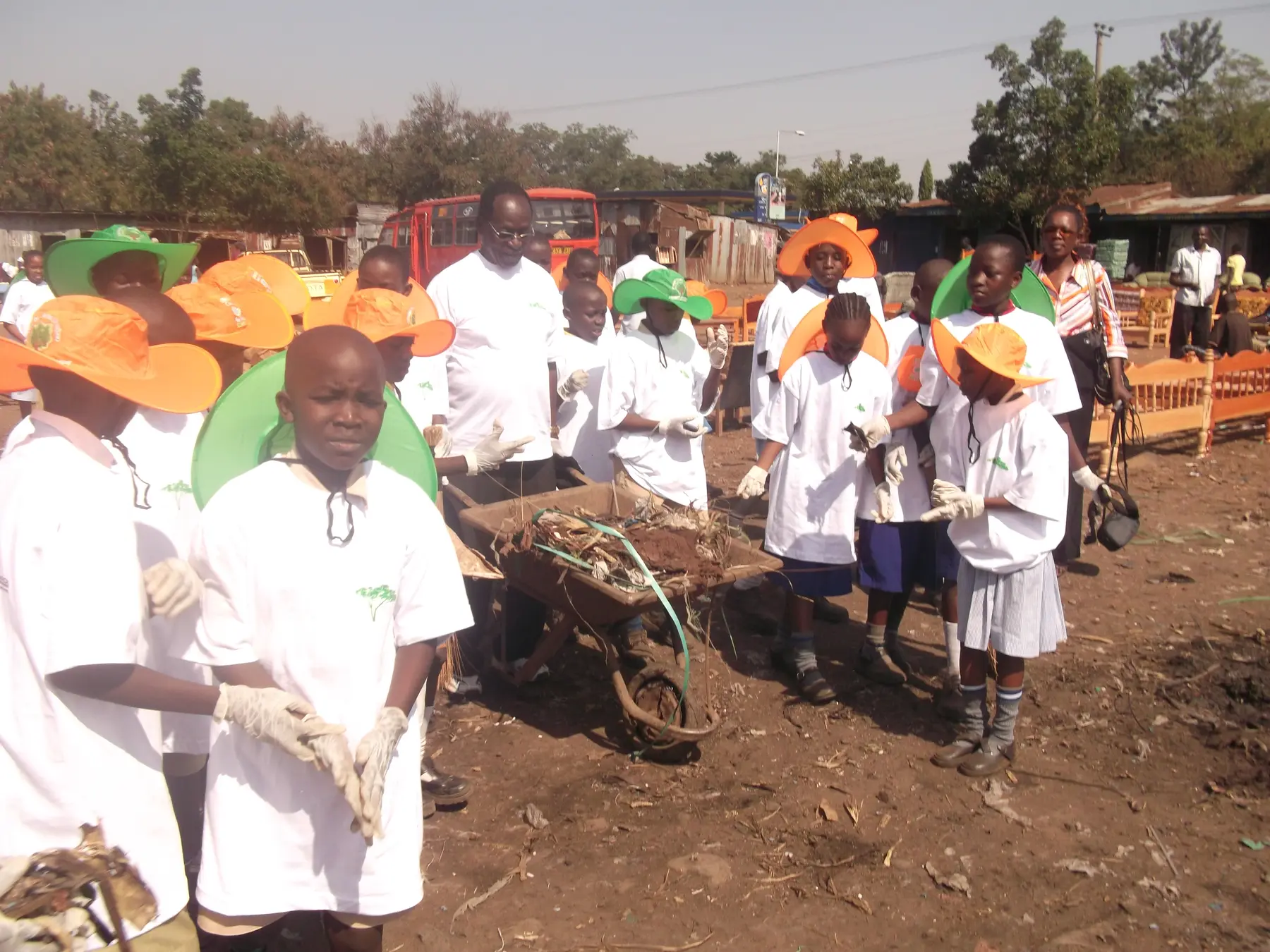
- 14 tonnes of waste removed and 55 trees planted in Kisumu
- Climate adaptation workshop convened diverse partners
Building continuity
A trust for the future
The Richard and Alice Odingo Environment Trust was formed to support continuity and generate income for tree planting and community initiatives.
- Newly acquired land placed under the Trust
- Second tractor, plough and harrow acquired
- Eleven-acre plot fenced
- Two small dams created for dry-season horticulture
Resilience & clean energy
Adapting while expanding
Although road expansion affected part of the original site, tree planting continued and the project widened its community footprint through a government-supported partnership.
- New seedlings planted to fill gaps
- Tree and crop integration continued
- Solar-lantern programme reached four counties
- More than 800 women benefited
Sustainable livelihoods
The dairy goat project
With Soroptimist partners, Got Owaga launched a dairy-goat initiative for the Ochoria Tumaini Women Group—linking income, nutrition and environmentally responsible farming.
- Nine female goats and one male goat purchased
- Beneficiaries built sheds and provided feed and veterinary care
- Offspring-sharing model designed to reach every member
- Manure used to grow indigenous vegetables
04 — What guides us
Five values.
One shared responsibility.
SustainabilityCareTeamworkAccountabilityIntegrity